Kohei Torigoe — AI × UI/UX / PRODUCT DEVELOPMENT / ORGANIZATION BUILDING

With 25+ years of experience and AI, evolving how products and organizations are built for the better.

I combine end-to-end experience across UI/UX, product development, and organization building with AI. Beyond using AI to make production faster, I build systems inside companies that help people and AI keep making better decisions.

Discuss a business or product View selected work
25+
Years in UI/UX and product development
Across strategy, experience design, UI, development, and organization building
100+
Companies supported in Japan and abroad
Experience across complex fields including telecom, finance, logistics, manufacturing, and retail
500+
Projects
From zero-to-one ventures to existing services, enterprise systems, and design organizations
100M+
Combined users of services I have worked on
Approximation based on publicly reported figures for the apps and services I helped design or improve
WORKS

Designing through complexity, across industries

Three representative cases from more than 500 projects for over 100 companies, showing my role and outcomes where management, operations, users, and development intersected.
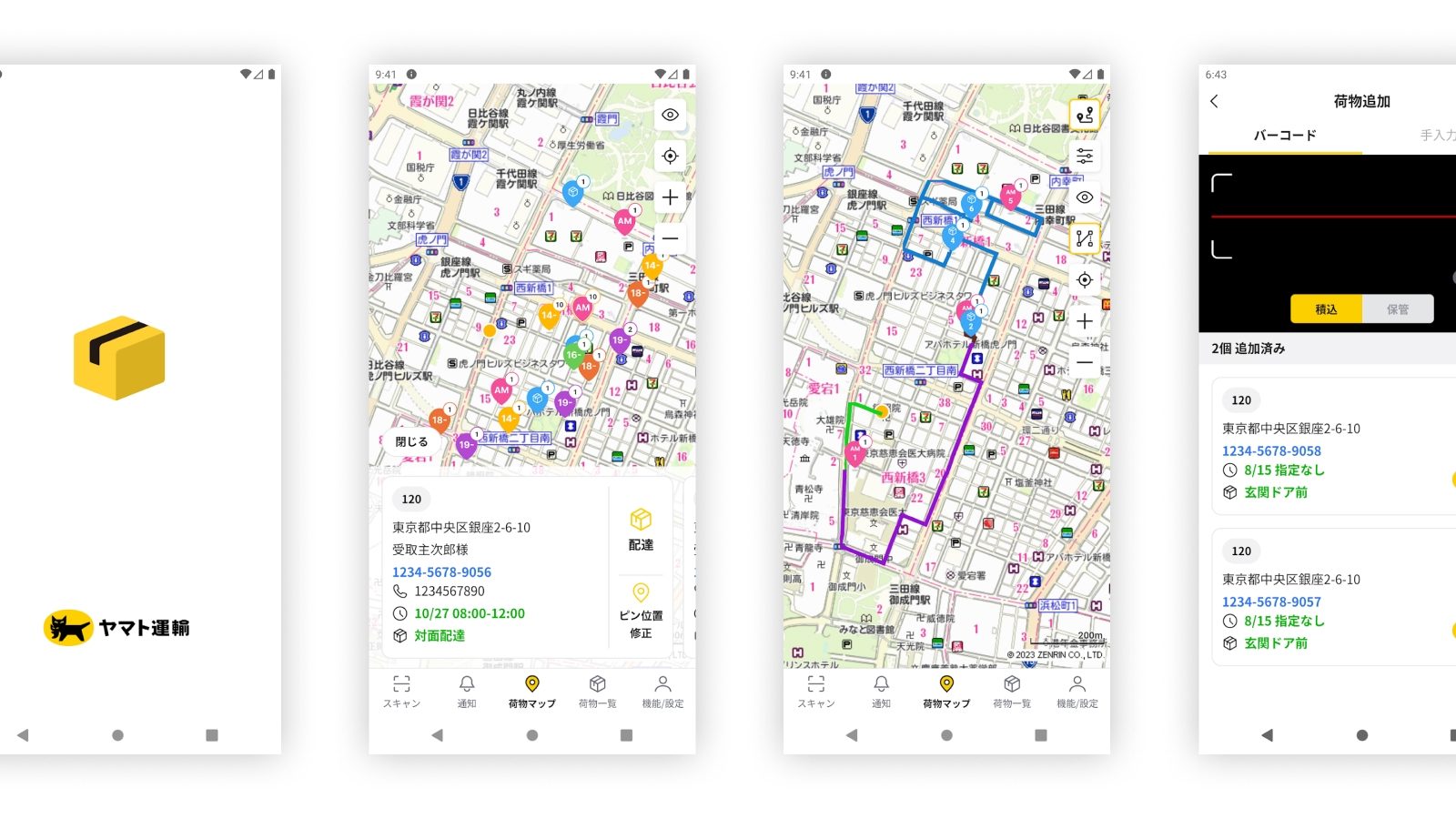
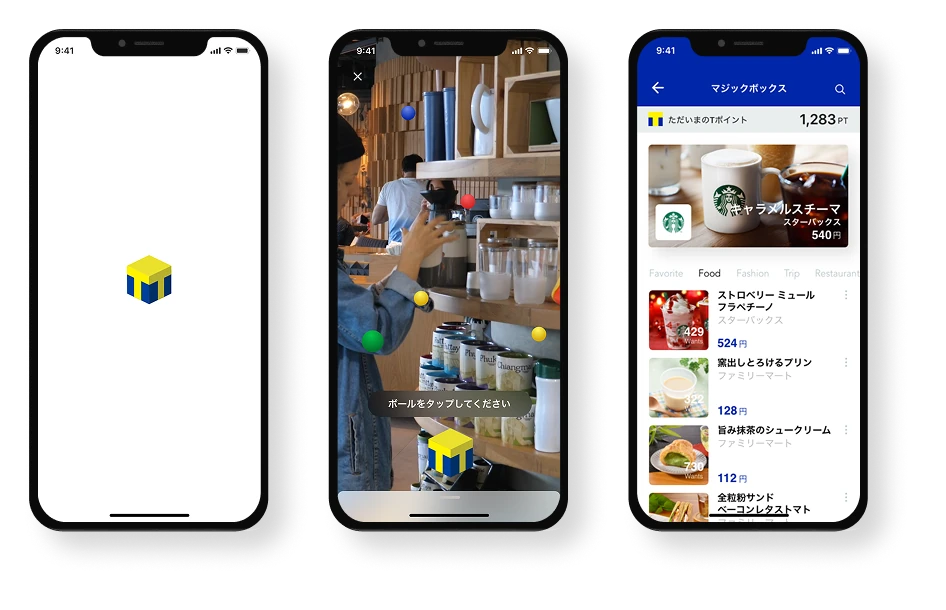
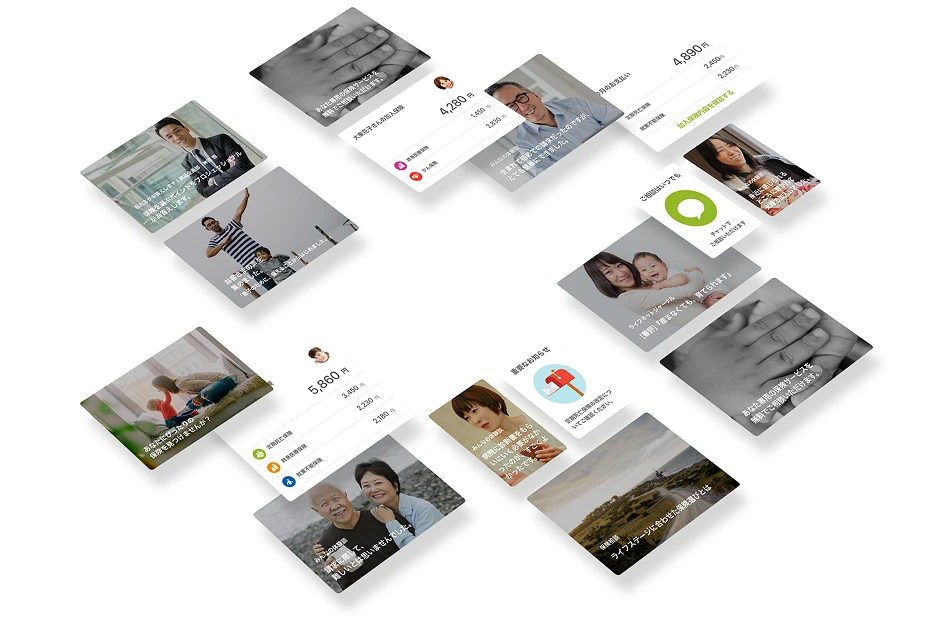
* The screens shown reference publicly available service screens.

Case Study / Yamato Transport

Working alongside multiple products while building an in-house design practice

Yamato Transport operated many digital services and business systems, yet lacked a specialist function dedicated to understanding and continuously improving the user experience. I worked with internal business owners, frontline teams, and development partners to make challenges visible, then assembled and directed a multidisciplinary design team. I also helped develop processes, tools, and educational practices that enabled non-designers to participate in UX design.

For nearly five years, I worked alongside multiple products through new launches and ongoing improvements. The engagement went beyond UI/UX design to establish the processes and shared language needed to work with design across the organization.
10+
Products newly created or comprehensively redesigned
* Number of products for which I assembled and directed design teams during my engagement from October 2021 onward.
Case Study / My SoftBank

Making complex information accessible at the moment it is needed

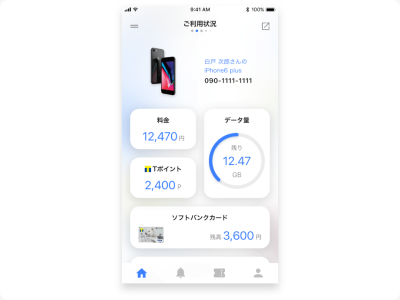
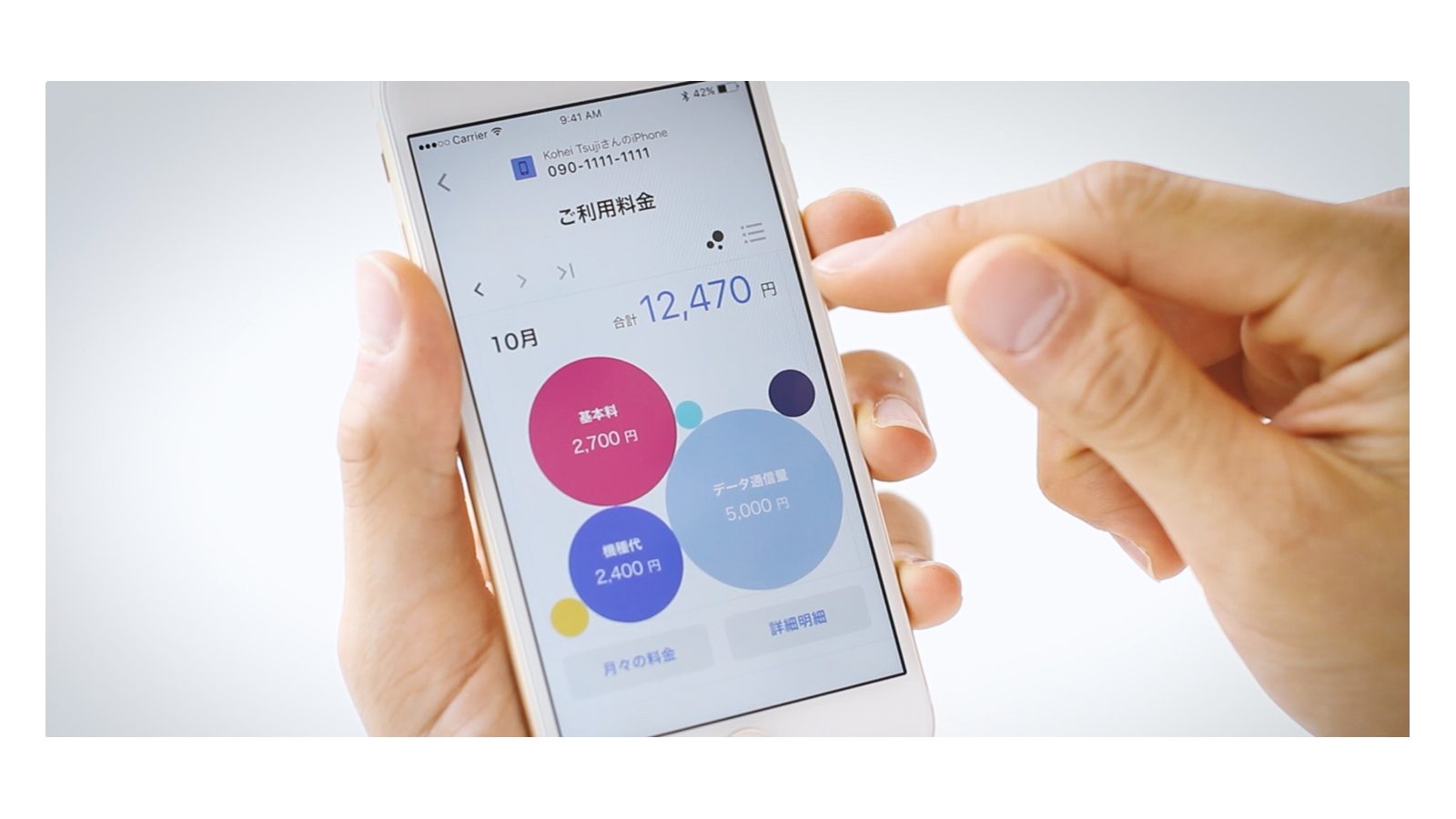
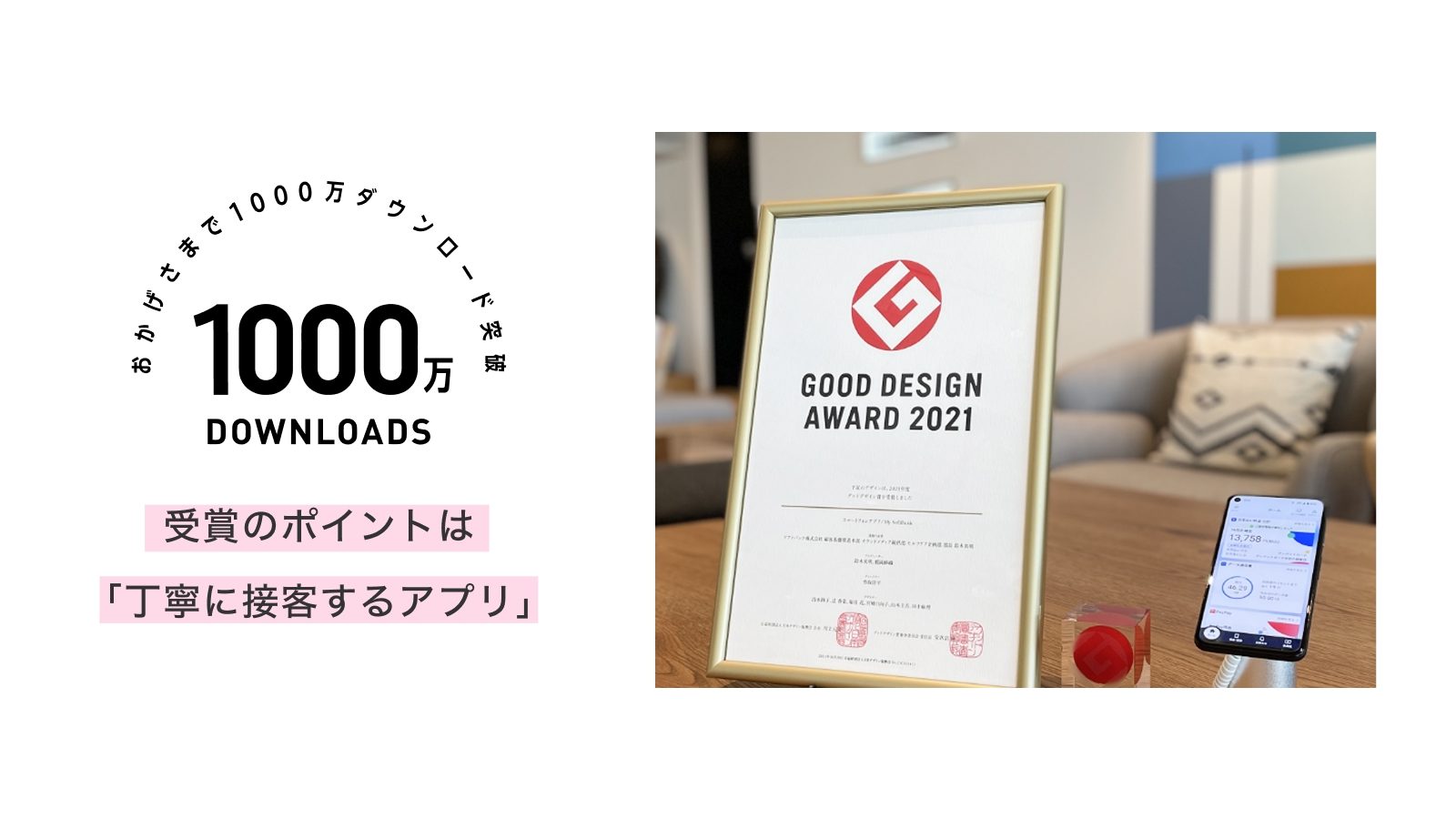
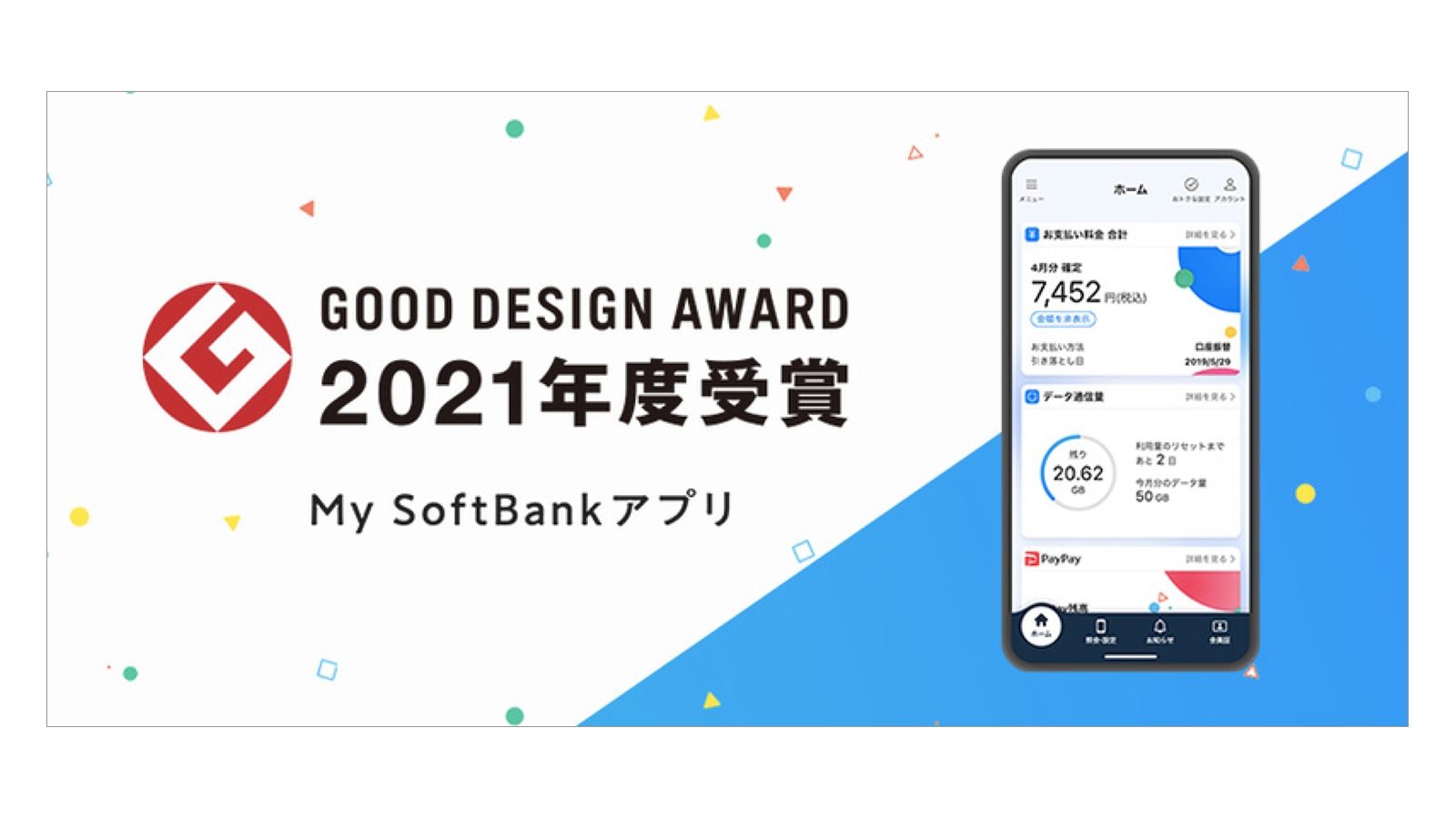
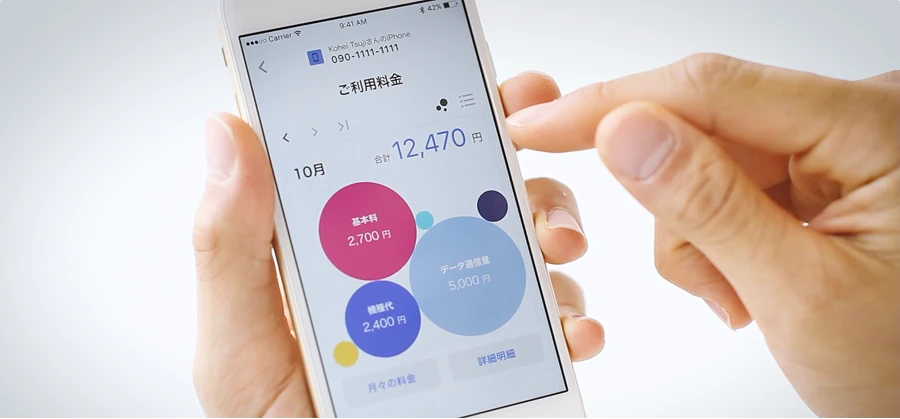
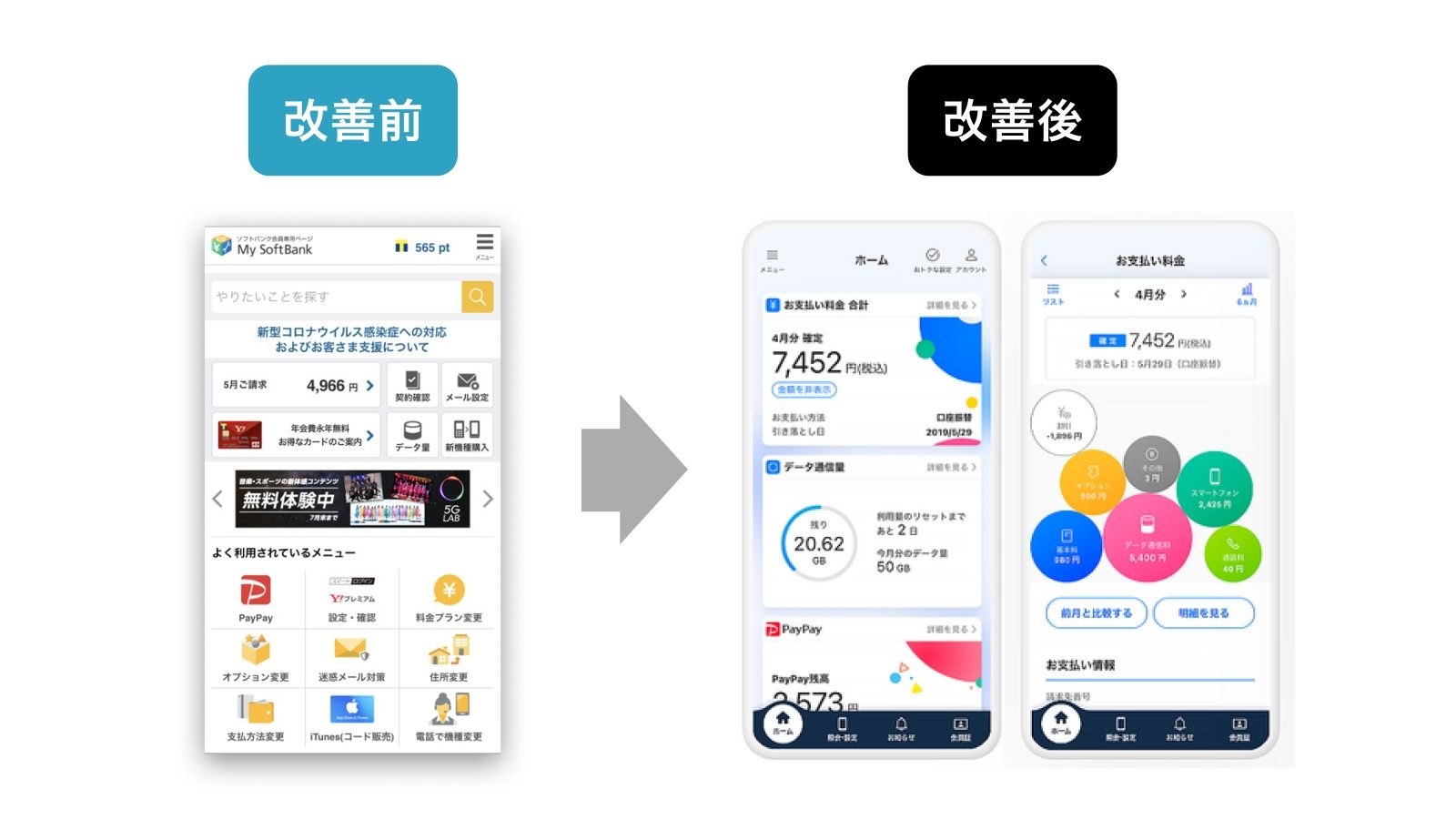
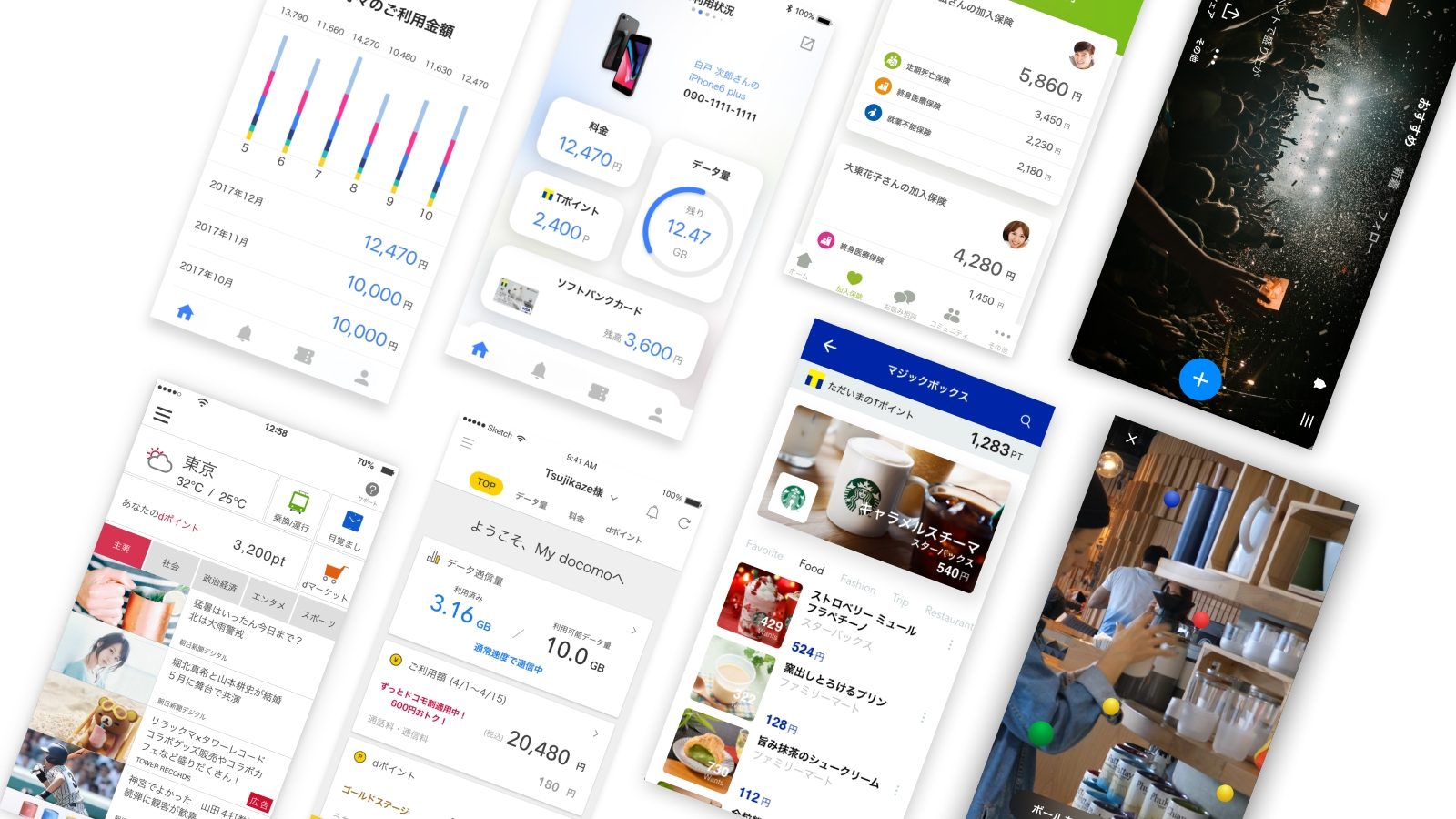
This account-management app handles a vast amount of information, including contracts, billing, and data usage. I redesigned the information architecture around a simple question: what does this user need right now? The result presents information in meaningful cards and helps people reach what they need with the clarity of attentive service. The app received a 2021 Good Design Award.
10M+
Downloads / Good Design Award 2021
* Publicly reported results for the My SoftBank app as a whole. I was responsible for information architecture and UI design.
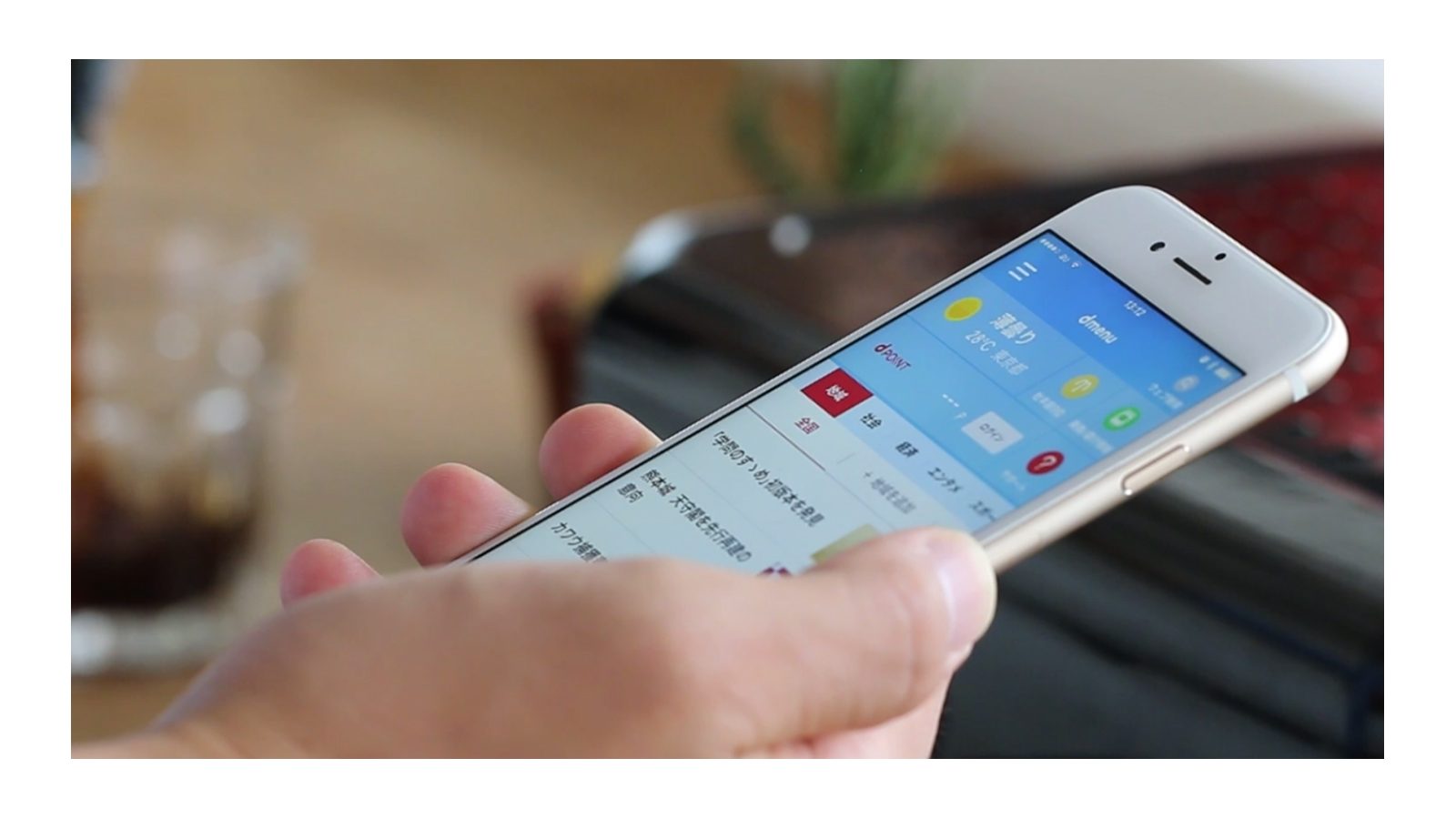
Case Study / docomo dmenu

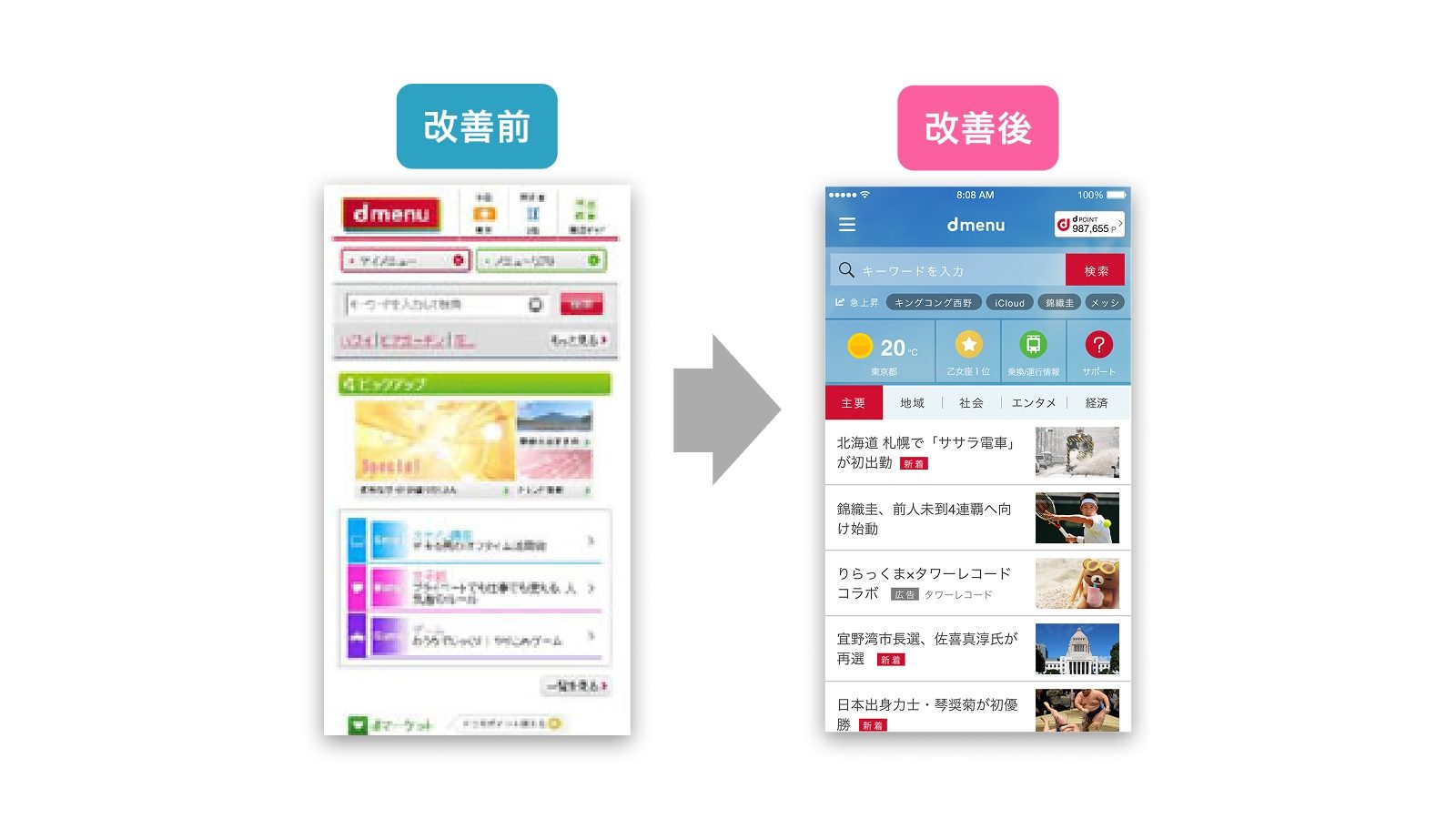
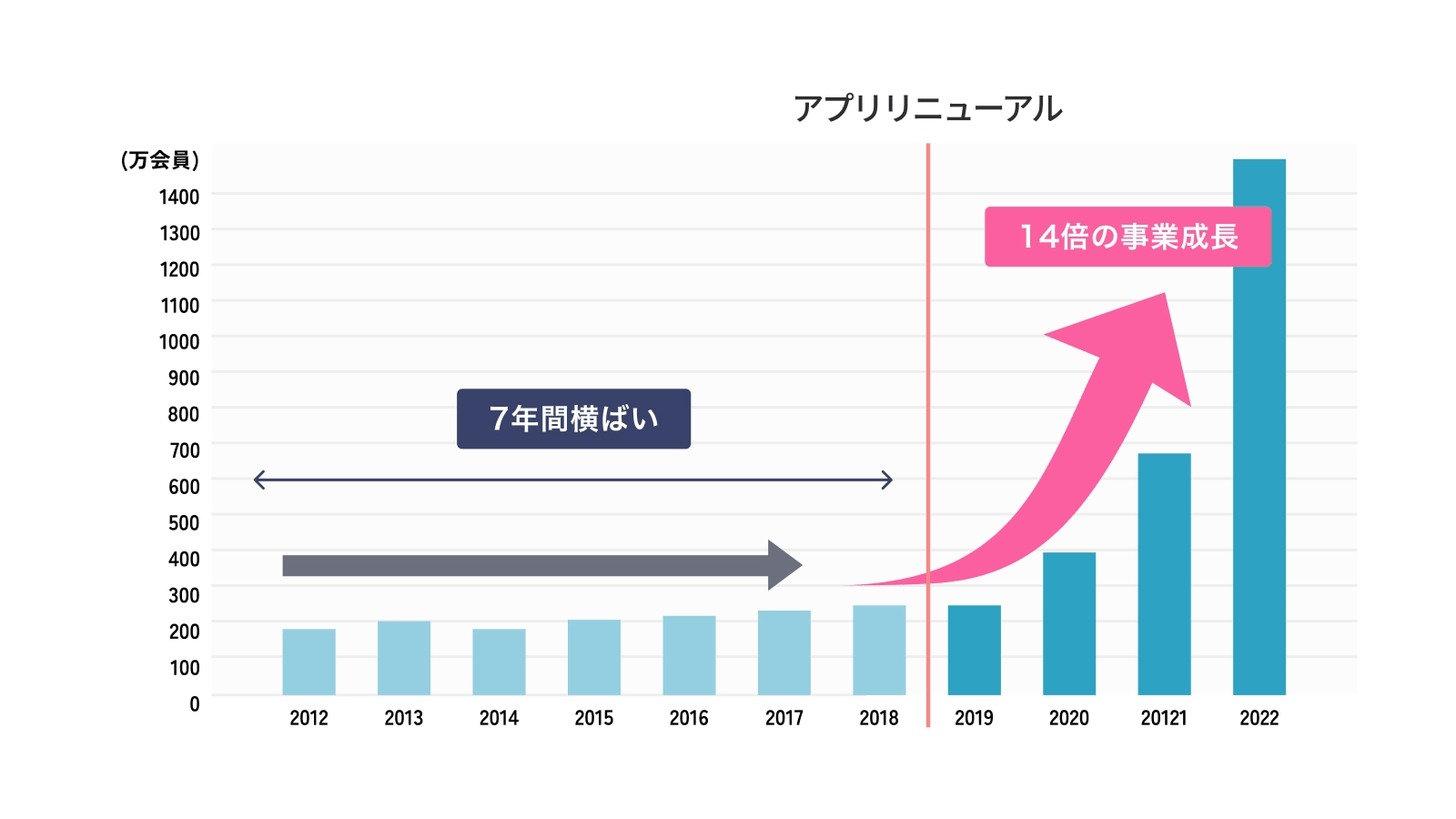
After seven flat years, the business grew 14× in the next four

dmenu membership had remained flat for years. We reconsidered the gap between the services the company wanted to offer and the experience users actually received, then reworked user goals, information priorities, and navigation to rebuild the information architecture and customer experience. The service was reshaped around a clear reason to use it and a structure that delivers ongoing value.
14×
Business growth over four years, after seven years of stagnation
* Publicly reported results for the dmenu business as a whole. I led the redesign of its information architecture and customer experience.

The full case-study page also includes Daimaru Matsuzakaya and Nestlé.
See responsibilities, engagement periods, and sources for reported results.
View all work and case studies →
Selected clients across my career
The three cases above are only a small part of my work. Over more than 25 years in UI/UX, I have contributed as a designer and director to more than 500 projects for over 100 companies in Japan and abroad.
Yamato Transport
Daimaru Matsuzakaya
Nestlé
SAMSUNG
KDDI
SONY
Nikon
Canon
NEC
DENSO
SoftBank
Casio
NTT
Lawson
Kirin
docomo
OMRON
NTT Data
Lifenet Insurance
J:COM
NTT Resonant
Recruit
Toshiba
Fujitsu
SHARP
Kyocera
NTT Communications
Dentsu Digital
FUJIFILM
TOPPAN
UNISYS
Panasonic
EPSON
Rakuten
dentsu
And many more
VALUE

Combining 25 years of practice with AI,
connecting strategy, experience, development, and organization.

AI should strengthen not only individual productivity, but the organization itself.

01

Product strategy and vision

Structure the context of management, business teams, operations, and users. With AI, synthesize large volumes of information into a value proposition, required capabilities, priorities, and an actionable roadmap.

02

UI/UX design and improvement

Use research, workflows, scenarios, and information architecture to define the state the product should help users reach. When AI can generate screens, the essential design decision is what experience should come first.

03

AI × product development

Make ambiguous ideas explicit and structured, then validate them rapidly through UI, prototypes, and implementation with AI. Build a new product development process in which people decide and AI produces.

04

Development direction

Connect engineers, designers, business teams, and AI around shared rationale and design principles. Go beyond generation speed by detecting design drift and experience drift and building a system that continuously protects quality.

05

Building an AI-capable organization

Move beyond isolated individual AI use. Structure decision criteria, knowledge, design systems, processes, reviews, and education as organizational assets so any contributor can use AI to keep improving the product.

ABOUT

Designer, founder, organizational leader, educator.
Every perspective focused on changing products for the better.

My work goes beyond making screens: I help UI/UX take root in the business and the organization.

The value of design is not limited to beautiful screens. It lies in understanding both what a business wants to achieve and what users genuinely need; deciding what should and should not be built; and turning those decisions into products people actually use.

That is why I engage before requirements and specifications are finalized, starting by clarifying the problem itself. Management, business teams, operations, users, designers, engineers, and external partners each bring different perspectives and language. I help them establish a shared purpose and common decision criteria so the project can move forward.

If only an outside specialist can make decisions, improvement stops when the engagement ends. I therefore leave more than deliverables: purpose, context, experience criteria, design systems, quality standards, processes, reviews, and education in a form that people and AI can use inside the company. The same principle drives my research into what changes—and what remains—in design work in the age of AI.

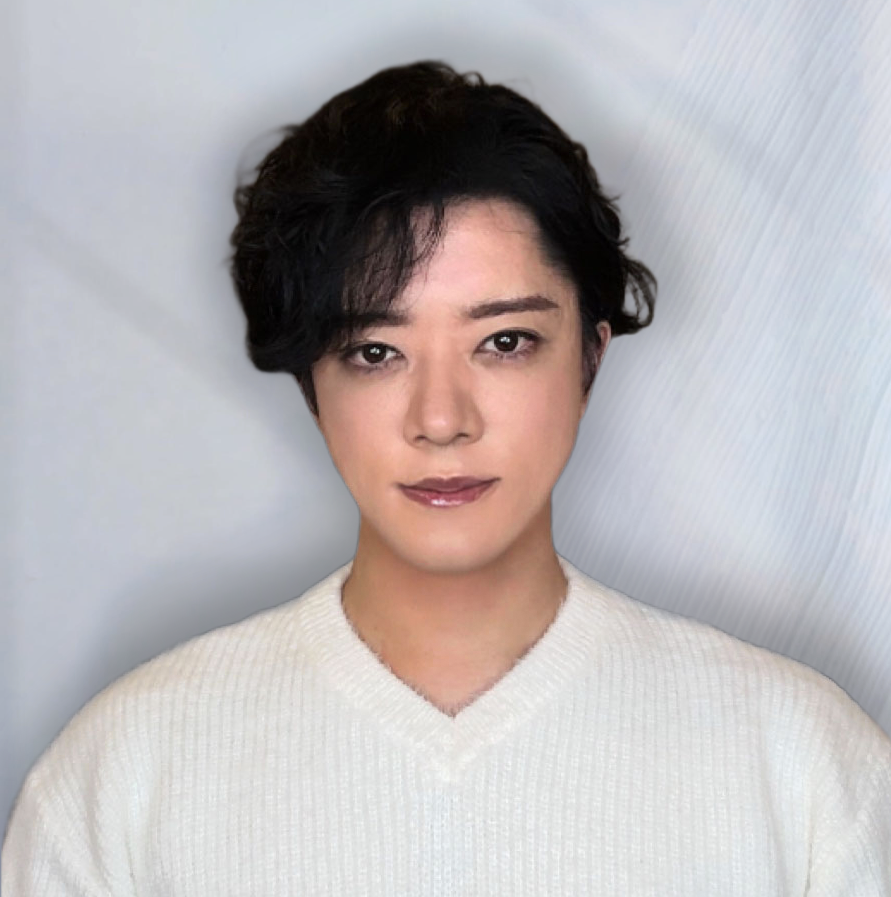
Portrait of Kohei Torigoe
UI/UX Leadership / Product Design / Organization Development

I began designing digital products while at university and have spent more than 25 years working across business strategy, product development, and design organization building through UI/UX. In 2003, I joined Samsung Electronics and worked on the UI/UX design and development of products used around the world. I later founded ZEPPELIN Inc. and, as CEO, supported more than 500 projects for over 100 companies in Japan and abroad. Since becoming independent, I have worked from within client organizations as a UI/UX consultant, product manager, design director, organizational leader, and educator, supporting the full path from strategy and development to lasting adoption. Today, I connect the decision principles developed through that work with AI to research and practice new ways of developing products.

My experience spans telecom, finance and payments, logistics, manufacturing, retail, food, healthcare, and more. The apps and services I have worked on have reached a combined audience of more than 100 million users. I draw on every perspective—designer, founder, organizational leader, and educator—to build products that matter to both businesses and the people they serve.

Areas of expertise

The goal is not tool proficiency, but a system in which people and AI can make sound decisions.

Product and UI/UX

  • UI/UX strategy and product vision
  • User research and interviews
  • Customer journeys and business workflows
  • User stories and use cases
  • Information architecture and interaction design
  • Prototyping in Figma
  • User testing and acceptance validation
  • Design systems and style guides
  • Accessibility and responsive design

Business, development, and organization

  • New ventures and zero-to-one product launches
  • Requirements, PRDs, and specification design
  • Prioritization and roadmapping
  • Product management and development direction
  • Multi-vendor management
  • Evaluating implementation options with engineers
  • Design organizations and delivery structures
  • Developing designers and non-designers
  • Alignment across management, business, operations, and development

AI × PRODUCT

  • AI-enabled product development
  • Experience System design
  • Design System × AI
  • AI UI and prototype generation
  • AI coding and web prototyping
  • Design drift audits
  • Experience drift audits
  • Context Engine
  • AI Knowledge Architecture
  • AI-enabled processes and organizational adoption
2003.4 – 2005.9
(2 yrs 5 mos)

Learning design standards from products used worldwide

In 2003, I joined the design division at Samsung's headquarters in Korea, working on UI/UX design and development for products serving global markets.

How can a product provide structures and interactions that people can understand across countries, cultures, languages, and device environments? Working with planning, design, and engineering teams, I translated experiences and UI into implementable specifications.

Large-scale products cannot be designed around one person's taste or a single screen. They require simultaneous consideration of context, technical constraints, brand, quality, and production schedules—and consensus among people with different expertise. This experience became the foundation of how I work today.

2005.10 – 2021.7
(15 yrs 9 mos)

Making UI/UX a professional capability that supports the business

After returning to Japan, I founded ZEPPELIN Inc. As founder and CEO, I was responsible not only for design but also sales, proposals, contracts, hiring, team formation, quality management, project economics, and long-term client relationships.

Across more than 500 projects for over 100 companies in Japan and abroad, I worked in industries including telecom, finance, retail, logistics, manufacturing, food, healthcare, and media.

What I learned was more than how to create good design. I learned how to bring business owners' intentions, frontline operations, user behavior, and engineering constraints to the same table—and turn them into a viable project.

2021.10 – Present

Working from within companies to leave lasting change

Since becoming independent, I have gone beyond delivering work as an outside creator. I join companies as part of the team, beginning at the stage of deciding what should be built.

Depending on the project, I work across UI/UX consulting, product management, development support, design direction, organizational leadership, and talent development.

The goal is not to create a dependency on me. I make the reasoning behind decisions explicit and leave decision criteria, design processes, tools, and education inside the company in reusable form.

2023 – Present

Turning 25 years of experience into organizational capability with AI

Today, I connect more than 25 years of UI/UX, product development, and organization-building knowledge with AI to research and practice a redesigned product development model.

The aim is not only to make production faster with AI, but to structure purpose, user understanding, experience criteria, design principles, and quality standards. I build systems inside companies where people and AI work from the same context and keep improving faster and at a higher level of quality.

A project delivery process for the AI era

I work end to end, from the most upstream management challenge to the experience delivered into users' hands.

01

Understand and structure

Clarify purpose, expected outcomes, constraints, and decision-makers. Understand operations and users through interviews, observation, and existing data, then visualize workflows, customer journeys, information, and exceptions.

02

Choose and create

Decide the value proposition, requirements, and priorities, making clear what will and will not be built. Use AI to make the direction tangible through UI, prototypes, and code.

03

Prototype and connect to implementation

Validate early with AI-enabled prototypes and compare implementation options with engineers. Share specifications, rationale, and exceptions, then connect the work to implementation and release.

04

Audit, improve, and embed

Detect experience drift and design drift and continuously evaluate usage and design quality. Leave decision criteria, knowledge, tools, and education inside the company.

Rather than imposing a fixed methodology, I design the appropriate depth and pace for each organization's situation.

AI × PRODUCT DEVELOPMENT RESEARCH & PRACTICE

From individual AI use
to organizational AI capability.

Redesigning product development itself with AI.

AI should do more than accelerate production. I structure purpose, context, experience criteria, design systems, and quality standards. People define the purpose and decision criteria while AI supports exploration, generation, comparison, and auditing, creating a system that keeps improving faster and at higher quality.

Beyond individual productivity, turn decisions and knowledge into organizational assets shared by people and AI.

AI enhancement, expansion, and organizational adoption

Purpose / ContextBusiness vision and purpose
Experience SystemWhat experience to create
Design SystemHow to express it
Generate & AuditGenerate, implement, and audit quality
ImproveLearn, improve, and reuse

What AI changes

  • The speed of research and synthesis
  • The volume of hypotheses and options
  • The speed of prototyping
  • How often UI options can be compared and tested
  • The distance from design to implementation
  • The scope a small team can handle

What does not change—and becomes more important

  • Whose problem we are solving
  • What the business needs to achieve
  • What to build and what not to build
  • How we judge whether an experience is good
  • How technology, business, and user needs reach agreement
  • How decisions and knowledge remain in the organization

Turning AI into product and organizational capability

01
Purpose / Context

Structure information from management, business teams, operations, and users, then translate it into purpose, value, priorities, and a roadmap.

02
Experience System

Turn expert UX judgment into knowledge that AI and the organization can use, making the intended experience a shared language.

03
Design System × AI

Structure design assets so AI as well as people can use them, enabling rapid generation of screens and implementation.

04
Generate & Build

Connect requirements rapidly to UI, prototypes, and code, building a development process in which people decide and AI produces.

05
Quality Audit

Audit whether generated UI has drifted from its purpose and decision criteria, detecting both design drift and experience drift.

06
Knowledge & Organization

Structure rationale, reviews, tools, and education as an AI knowledge architecture that the organization can reuse.

EXPERIENCE SYSTEM

People and AI building products from the same decision principles.

A design system aligns the look and implementation of multiple screens through color, typography, spacing, components, and more.
An Experience System aligns the decisions that come before those visual choices: what to communicate to whom, what to prioritize, what to remove, and what emotions or actions to create. It makes those principles explicit so people and AI can design, validate, and update the product together.

A DESIGN SYSTEM aligns how screens look.
An EXPERIENCE SYSTEM aligns the decisions that produce those screens.

Business purpose
Experience principles
Information, feature, and UI decisions
Prototype and implementation
User response
Update the principles
* Experience System is a concept proposed by Kohei Torigoe and currently being developed through ongoing research and practice.
I am building these methods through real projects and independent research. My latest research shows how the decisions behind AI-generated UI change across a Requirement, a Design System, and an Experience System.
View the Three Levels of AI-Generated UI/UX → Discuss AI-enabled UI/UX and product development →
UI/UX
ESSENTIALS
DECISION PRINCIPLES
FOR EXPERIENCE DESIGN IN THE AI ERA
KOHEI TORIGOE
BOOK | IN PROGRESS

Turning 25+ years of practice
into explicit principles for UI/UX decisions.

The Essence of UI/UX is not a manual for making screens or operating tools. It asks what design is, how a concept connects to function, language, and motion, what situation a product should create for users, and what people should think about and decide when AI can generate UI.

The book distills lessons from global product development at Samsung Electronics, founding and leading ZEPPELIN, more than 500 projects for over 100 companies, and building UI/UX capabilities inside organizations—turning what I have considered, tested, and validated into reusable design principles.

Working themes | Subject to change while the book is in progress
01
What is design?

Design is the act of giving form to an idea.

02
Concept

A concept is the design principle that turns an idea into a concrete form.

03
Design the situation

Before designing the screen, define the situation the product should create for the user.

04
Constraints and reason for being

Do not avoid constraints. Use them to sharpen the idea and clarify why the product should exist.

05
The democratization of UI creation through AI

As the ability to create UI becomes widely accessible, the ability to decide what should be built becomes more important.

In progress | Publication is planned for early September Request publication updates →
SCHOOL | KOHEI TORIGOE AI × UI/UX DESIGN SCHOOL

Developing designers who can frame questions, make decisions, and create—grounded in 25+ years of practice and AI.

The school goes beyond operating AI tools. It develops the ability to understand user and business challenges, explain the reasoning behind design decisions, validate ideas, and improve them. The school is currently preparing to launch and recruiting pilot participants.

A | BEGINNERS AND CAREER STARTERS

Become a UI/UX designer for the AI era—from the beginning

For people with little or no UI/UX experience. The course develops designers who can go beyond tool operation to explain why a UI is designed this way and whose problem it solves.

B | PRACTICING UI/UX DESIGNERS

Use AI to turn professional experience into greater impact

For designers with professional experience. The course integrates AI into real design practice: UX research, problem definition, hypothesis development, prototyping, and user testing.

Curriculum, courses, instructor, and pilot program
The school page explains what participants learn, the two courses, how learning works, and what happens after applying.
View school details →
CONTACT

Start the conversation while the idea is still taking shape.

Whether the challenge is a new venture before requirements are defined, redesigning an existing product, building an AI-enabled product development process, establishing an Experience System or Design System, auditing quality, or embedding capability in the organization, tell me where things stand today.

For companies

Engage from the stage of deciding what should be built, across UI/UX leadership, product management, new ventures and product launches, design direction, organization building, and AI × Product Development.

UI/UX strategy and product vision / AI-enabled product development / UI, prototype, and code generation / Experience System and Design System development / Design drift and experience drift audits / AI-enabled processes and organizational adoption / Talent development and corporate training

About the school

Questions about enrollment, the free pilot program, or corporate training.

Media and other inquiries

For interview and speaking requests, publication updates for The Essence of UI/UX, and other inquiries.