BEFORE
Pass the work from one specialist to the next
before it finally takes shape.
- Idea
- Planning
- Designer
- Engineer
- Development
- Product

AI × UX / DESIGN SCHOOL
FIRST MONITOR COHORT
Turn ideas into valuable products. This hands-on program develops your ability to think, design, build, test, and improve with UI/UX and AI.
No design or programming experience is required.
Recruiting the first pilot cohort before the official launch. Tuition: ¥0 / Participation conditions apply.
01 / WHY NOW
Turning an idea into reality once required many specialized steps. AI now lets one person think, test, and build far more than before.
BEFORE
NOW
02 / HUMAN JUDGMENT
Do users really want it?
Could the experience be better?
What should be included, and what should be removed?
Is the result actually good?
03 / BEGINNER TRACK
You may never have used Figma, may not know what UI/UX means, and may never have written code. That is a perfectly valid starting point.
Learn the fundamentals of UI/UX by asking what users actually need.
Organize problems, information, and behavior to define who you are helping and what value you will deliver.
Translate information into screens and shape your own UI with tools such as Figma.
Use AI to generate alternatives, then compare, select, and improve them through human judgment.
Move beyond static screens to a prototype people can actually use and test.
Validate reactions, improve the result, and learn to explain both the outcome and the reasoning behind it.
04 / POSSIBILITIES
The goal is not merely to learn Figma or AI tools. The ability to create something valuable can lead to many kinds of work and business opportunities.
Understand users and the business, then design everything from the experience to the interface.
Contribute broadly to product creation, from planning through validation and improvement.
Turn ideas into something tangible so decisions and alignment can move forward.
Prototype a web service or app yourself and deliver it to users.
Add experience design and prototyping to the expertise you already have.
These are examples of directions in which you can apply the skills you gain; they are not guarantees of a particular career or result.
05 / ALUMNI STORIES
These are the words of students who learned UI/UX at Swee and changed their work and careers.

Tsubasa
Although I worked in web design, I earned only ¥50,000 a month. I lacked confidence in both my skills and how I worked, and every day felt like simply getting tasks done. At Swee, I learned the essence of information architecture and gained a new perspective: what value to deliver and how to deliver it. Even my past career became a strength. I now earn more than ¥400,000 a month as a UI/UX designer while working far fewer hours. I have more time with my family and a way of working that feels true to me.

Miku
I spent my days wondering what I could possibly do. I could not see a future for myself, and anxiety kept me from moving forward. Through Swee's lessons and practical assignments, I came to understand the essence of UI/UX and the importance of designing dialogue. I began to think that perhaps I could do this too. Before long, I was absorbed in the joy of UI/UX design and had developed the ability to shape my own path.

Sarasa
I was interested in design but started with no experience at all. As I learned UI/UX systematically at Swee, the essence of design gradually became clear. I also gained practical skills and learned how to work with clients. Today, I take an active role in projects as a UI/UX designer and am in a position to propose my own ideas.
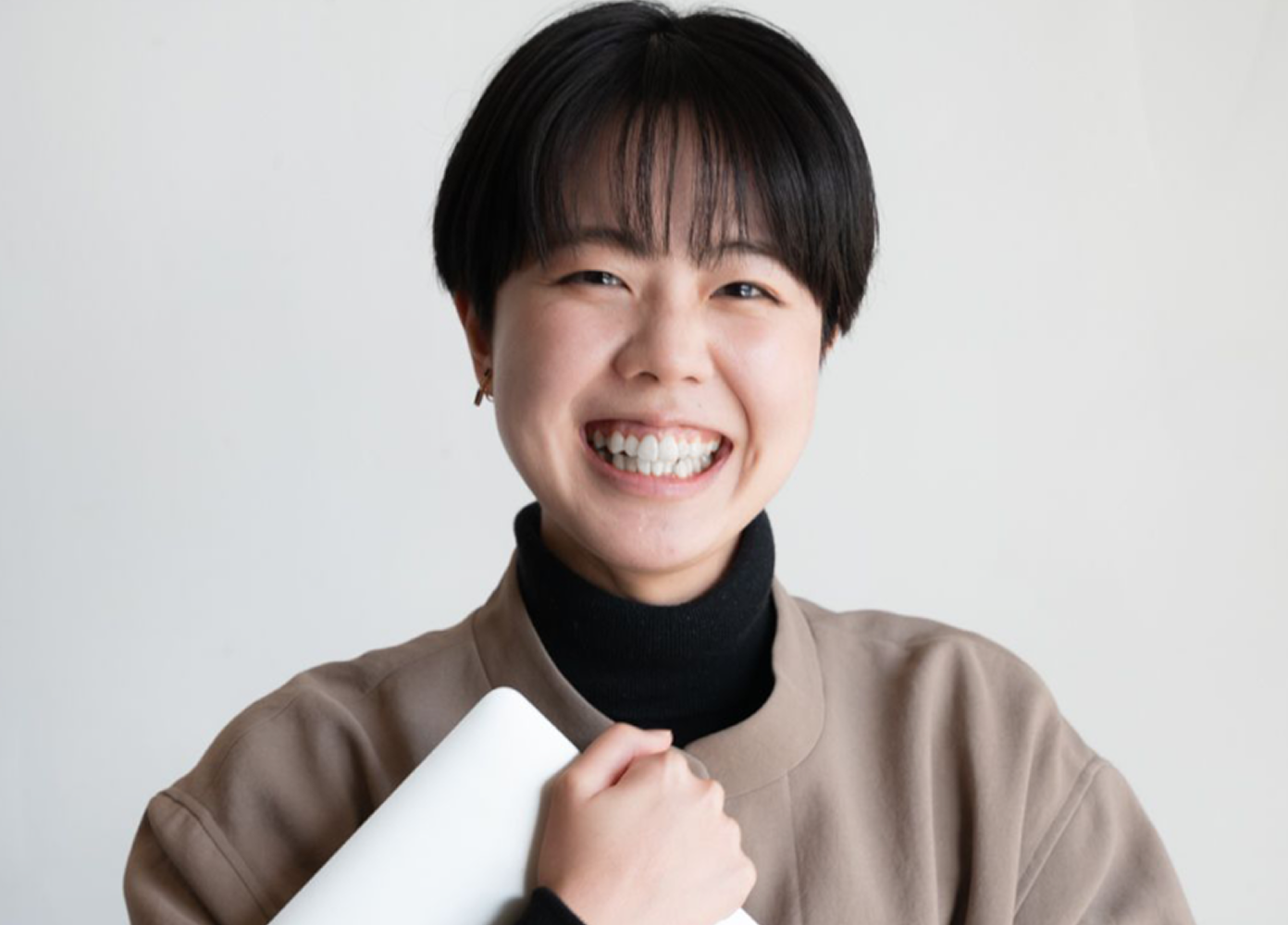
Yurina
I worked relentlessly but did not even have the courage to pursue higher-value UI/UX projects, thinking I was not ready. As I studied UI/UX at Swee, I began to feel that perhaps I could do it. The way I work with clients and present proposals changed dramatically, and I can now take on new projects with confidence.

Mayu
Learning UI/UX systematically at Swee, along with a client-centered way of thinking and how to win higher-value projects, transformed the way I work. I had accepted a self-exploitative routine that wore me down. Now I can choose projects with confidence, protect time with my family, and live with much more breathing room.

Haruka
I had given up on trying because I assumed I could not do it without experience. By studying UI/UX at Swee and discovering the essence of product design, I naturally acquired practical skills and a user-centered perspective. I can now pursue a new career with confidence in the work I have done, and my future options have expanded significantly.

Kana
Limited involvement in internal UI/UX projects was not enough to give me confidence. At Swee, I gained a systematic understanding of the sound thinking and importance of information architecture that UI/UX design requires. A vague interest became real skill and confidence. Now I can clearly say, “This is my path.”

Sayaka
I kept telling myself that this was simply reality until I was exhausted. At Swee, I learned that I could work with clients as an equal and choose the work I accept. By giving information architecture the time it deserves and designing for clarity, I also built stronger client relationships. I can now choose an environment I believe in and approach my work calmly.

Akane
I simply completed work as instructed and never felt fully confident in my design. My understanding of UI/UX was vague, and I tended to remain passive on projects. Learning the essence of UI/UX at Swee taught me to ask how I would improve something. I can now present my own ideas to clients, which has built my confidence.

Yuika
Before I knew it, both my time and emotional energy were depleted. Learning UI/UX at Swee and understanding the essence of information architecture and proposals gave my design confidence and persuasive power. I can now present appropriate estimates and work with clients as an equal. My work rhythm is healthier, and I can properly recognize my own value.

Kazuyo
As I studied UI/UX at Swee, I learned to keep asking how I would improve something, and everyday experiences became opportunities to learn. Gaining UI/UX skills showed me a real possibility of pursuing stable income while working from home. I can now say with certainty that I am glad I stopped hesitating and took the first step.
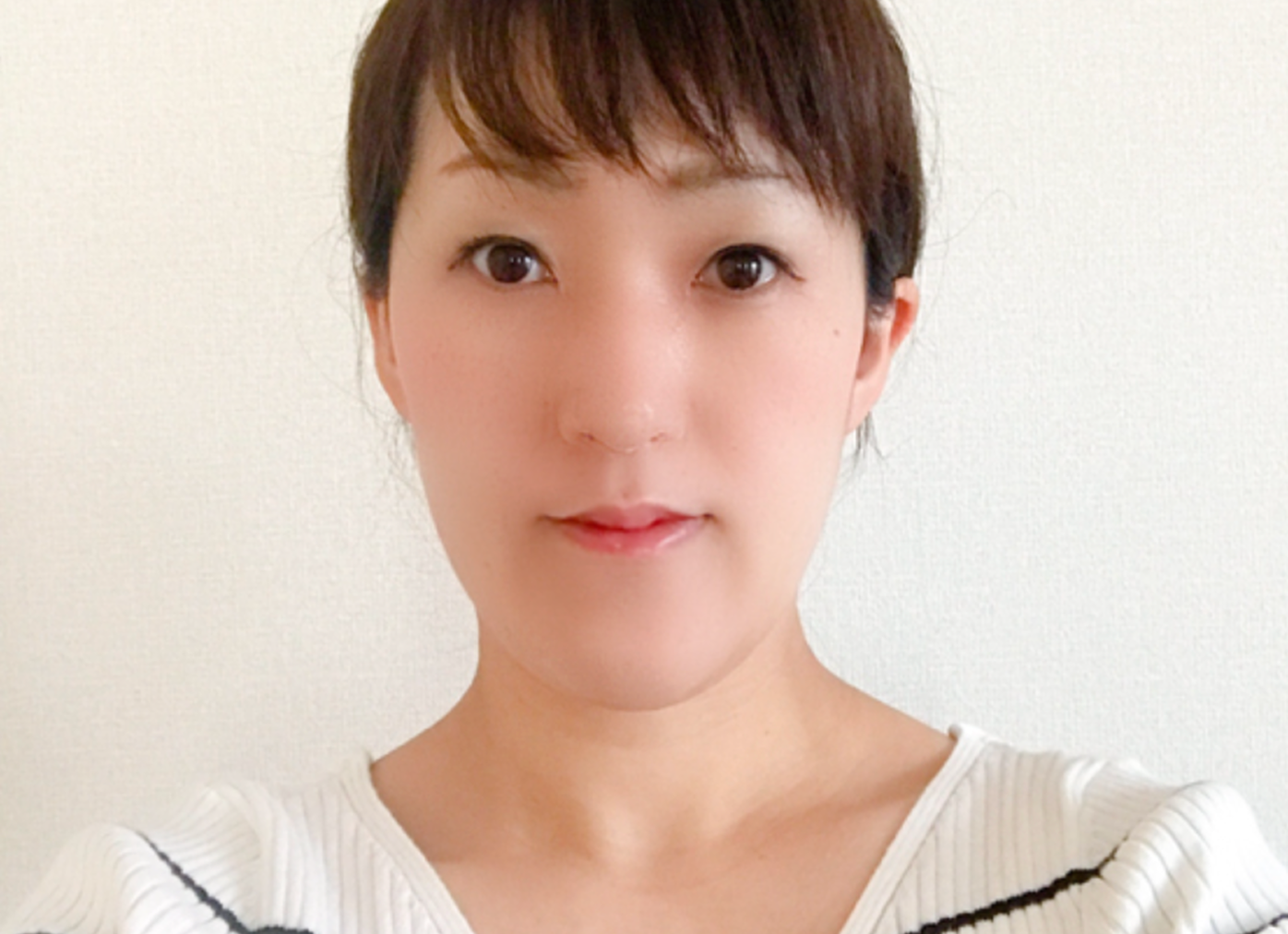
Hirose
When I studied alone, I worked while constantly wondering whether I was doing things correctly. UI/UX interested me, but it seemed difficult and I was unsure I could do it. Studying it systematically at Swee taught me to ask why a design exists and reason from its structure. What once looked merely stylish now makes sense as intentional design, and my confidence has grown little by little.
06 / PROFESSIONAL TRACK
This track does not discard the UX/UI knowledge you already have. It updates your process for the AI era.
Organize information and user feedback into insights that support decisions.
Improve the quality and volume of problem definition, hypothesis building, and experience design.
Compare alternatives quickly, then select and improve them with human intent.
Structure variables, tokens, and components so both people and AI can use them.
Move from static screens to prototypes that can be used and validated.
Connect design and implementation to create a working product.
Design changes in the user's situation and emotions, not merely screens.
Extend decision criteria and AI practices from individuals to teams and organizations.
07 / HOW YOU LEARN
This is not a place to collect knowledge. It is a place to work on your own theme, receive feedback, and improve.
08 / ACTUAL OUTPUT
09 / INSTRUCTOR
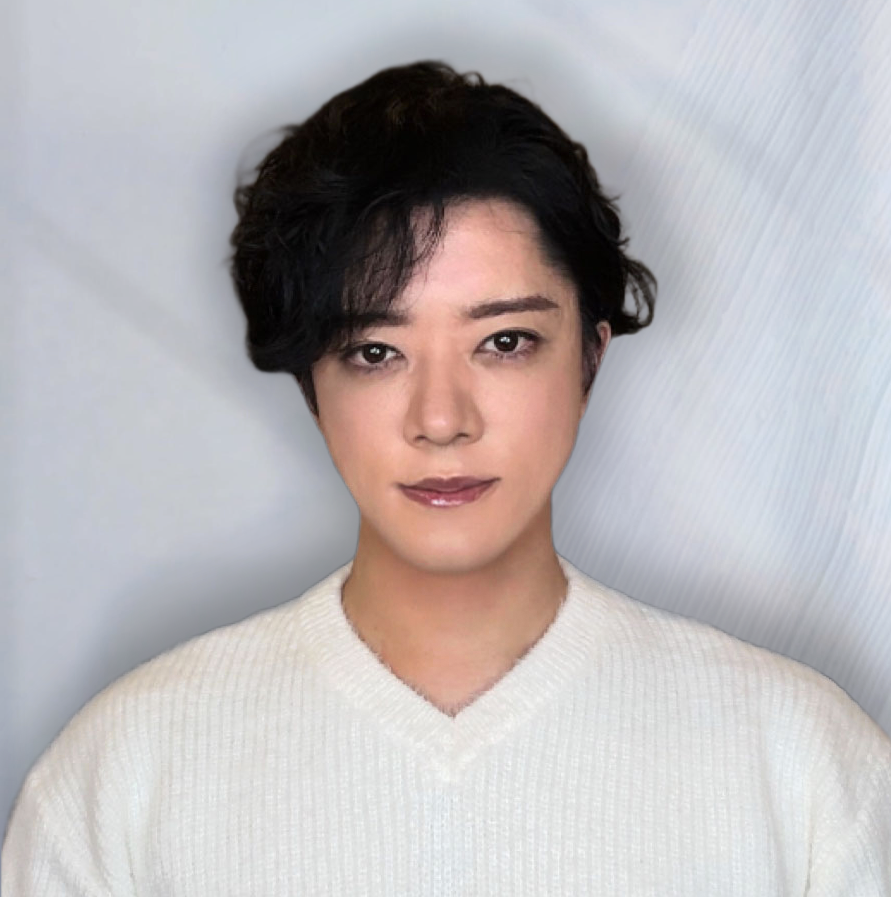
Instructor | Kohei Torigoe
I have worked in UI/UX, product development, and design organization building for more than 25 years. My focus today is not simply learning how to operate AI tools.
I combine accumulated UI/UX knowledge with AI to practice and research ways to test more ideas, move faster, and create better customer experiences.
I do not teach a single correct screen.View Kohei Torigoe's work ↗
I teach you how to ask, judge, and validate for yourself.
10 / WHY FREE
We are recruitingstudents for the first pilot cohortof the AI × DESIGN SCHOOL. We are building the design education truly needed in the AI era through practice.
In return for taking the course, reviewing your growth, sharing candid feedback, and helping improve the program, this pilot cohort is offered at¥0 tuition.
11 / MONITOR CONDITIONS
We are looking for people who want to do the work and create change, not merely receive information.
The schedule, weekly time commitment, cohort size, and whether appearing on camera, publishing work, and social media support are required or optional will be confirmed in the official application details.
12 / FOR YOU
13 / NOT FOR YOU
14 / HOW IT WORKS
15 / FAQ
Tuition for the first pilot cohort is ¥0. In return, participants must commit to learning, creating, and the pilot conditions.
Yes. The program begins with beginner material and progresses step by step. No design or programming experience is required.
We will review the essential operations as we go. Because the work is created on a computer, however, you need to be willing to experiment and learn independently.
Yes. You will need to reserve a certain amount of time for study and project work each week. The exact commitment will be provided in the official application details.
Yes. The Professional Track covers advanced topics including AI × UI/UX, design systems, prototypes, implementation, and organizational adoption.
The publication scope and which conditions are required or optional will be finalized in the official application details and clearly shown before you apply.
16 / TAKE THE FIRST STEP
Think. Test. Create. Validate. Improve.
For people who want to spend their time there.
AI × UX / DESIGN SCHOOLRecruiting the first pilot cohort
APPLICATION
Complete the application on the dedicated form page. Tell us about your current situation, what you want to learn, and what you want to create.
You can review your entries before submitting.