BEFORE
Execution / Production80%Thinking / Judgment20%

PROFESSIONAL
AI × UX / PROFESSIONAL DESIGN
A hands-on program that turns your existing UI/UX experience into an advantage for the AI era.
View the curriculum ↓For experienced UI/UX designers and former Swee students
<Experience
 state="clear"
 intent="decide"
/>02 / THE SHIFT
BEFORE
WITH AI
The proportions illustrate a conceptual shift in the focus of the work; they are not measured data.
Research → Wireframe → UI Design → Design System → Prototype → Handoff
Shift human time from producing to thinking, judging, designing experiences, and validating.03 / HUMAN JUDGMENT
Who are we creating this for?
What situation are they in now?
What situation should we create for them?
Which option is best?
What should be removed?
04 / CURRICULUM
AI × UX STRATEGY
AI × UX RESEARCH
User feedback, research, competitors, analytics, inquiries, and reviews: use AI to organize information at scale and go beyond summarization.
AI × UI EXPLORATION
Use AI to expand the possibilities, then judge them against the purpose. Narrow the field step by step, from broad direction to fine detail.
Use AI not as a tool that produces the finished answer,but as an exploration engine for human decision-making.
AI × DESIGN SYSTEM
AI-READY DESIGN SYSTEM
Capture when to use it, when not to, why it exists, and which variant to choose as knowledge AI can read.
AI × PROTOTYPING
Use Figma Make, Claude Code, Codex, and other tools according to the purpose to rapidly create interactive prototypes.
Run it and test it before deciding.
AI × BUILD
The goal is not to become an engineer. It is to become a designer who can communicate intent precisely to AI and validate it in working form.
EXPERIENCE DESIGN
13 / EXPERIENCE SYSTEM — RESEARCH IN PROGRESS
This is an area currently being researched, built, and validated through real projects. It is not presented as a finished or exclusive methodology.
The “Experience System” introduced here is a concept proposed by Kohei Torigoe and currently being developed through research and practice.
Standardize color, typography, components, and patterns to support UI quality and consistency.
Whose state should change? What should they feel? What should be prioritized or avoided? The aim is a system in which people and AI use the same experience principles to test, learn, and update.
The goal is not to make every screen identical. Even as products and touchpoints increase, it is to createa state in which experience decisions true to the brand can be reproduced.
If a Design System scales UI consistency, an Experience System aims to bea mechanism that scales consistency in experience knowledge.
AI × DESIGN ORGANIZATION
How can UX quality stop depending on one individual? Turn decision criteria into shared AI knowledge.
15 / ACTUAL AI × DESIGN WORKFLOW
This is one workflow currently being validated through real projects and research. It is not presented as the only correct answer.
16 / OUTPUT
The ultimate goal isnot to know about AI, but to reproduce an AI × UX workflow yourself.
17 / HOW TO LEARN
The work does not end by handing everything to AI.“Why did you make this decision?”Being able to answer that question matters.
18 / FOR SWEE ALUMNI
Understanding users, thinking through experiences, organizing information, and translating it into UI are even more important in the AI era.
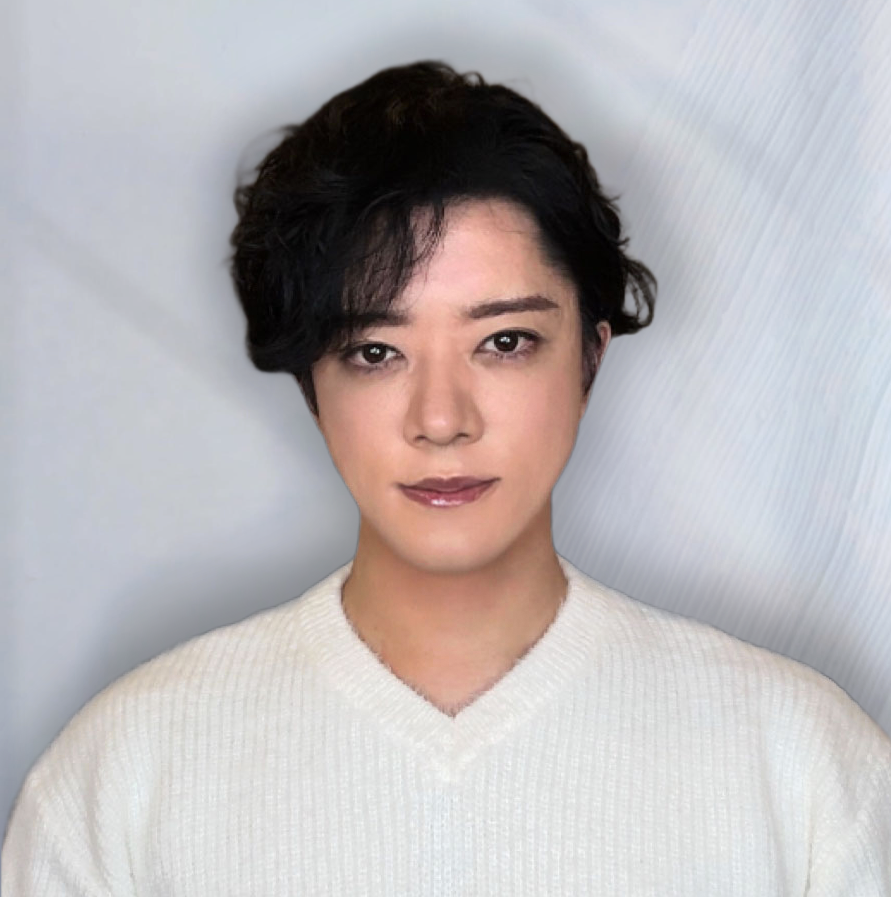
19 / KOHEI TORIGOE
I have spent many years working on corporate products, from business concepts, UX, and UI to prototypes, design systems, and design organizations.
How far can design work evolve when more than 25 years of UX knowledge, experience, and decision criteria are connected with AI?
This is not an AI specialist teaching design.
It is someone with more than 25 years in UX redesigning UX work through AI.
20 / FIRST MONITOR COHORT
We are recruiting the first members who will help validate and improve this curriculum for professional designers in the AI era alongside practicing designers.
Please ensure you can use these tools by the time the program begins.
This is not an offer to receive information for free.It is a call for first-cohort members who will help complete Swee PROFESSIONAL with us.
21 / FOR YOU
22 / NOT FOR YOU
23 / HOW IT WORKS
24 / FAQ
The program assumes familiarity with basic UI/UX thinking and experience creating with tools such as Figma. If you have no experience, pleaseview Swee Beginner →
Absolutely. Former Swee students are one of the main audiences for this program.
You need a Figma Professional plan and either Codex or Claude Code. Please ensure you can use them by the time the program begins.
That is not a problem. This is not a programming course; the goal is to use AI agents to build something that works.
We use ChatGPT, Claude, Codex, Figma-related AI, and other tools according to the purpose. Mastering any one tool is not the goal.
Tuition for the first pilot cohort is ¥0. In return, you must participate in the pilot activities and have access to a Figma Professional plan plus Codex or Claude Code.
PROFESSIONAL
25 / FINAL
To think more. To test more. To make better decisions. To create more exceptional experiences.
Go to the application form →New to UI/UX? → Swee Beginnerpurpose: create a better human state
before: uncertainty, friction
after: clarity, confidence
method: think → explore → build → validate
owner: human judgment
status: ready to evolve_